 IEMPS BOOK
COLLECTIONARTIFICIAL INTELLIGENCE AND ETHICAL TRANSFORMATION IN EDUCATION: MANAGEMENT, LEADERSHIP, DATA-DRIVEN DECISION-MAKING FOR SUSTAINABILITYGeneral Purpose Books
Available for purchase
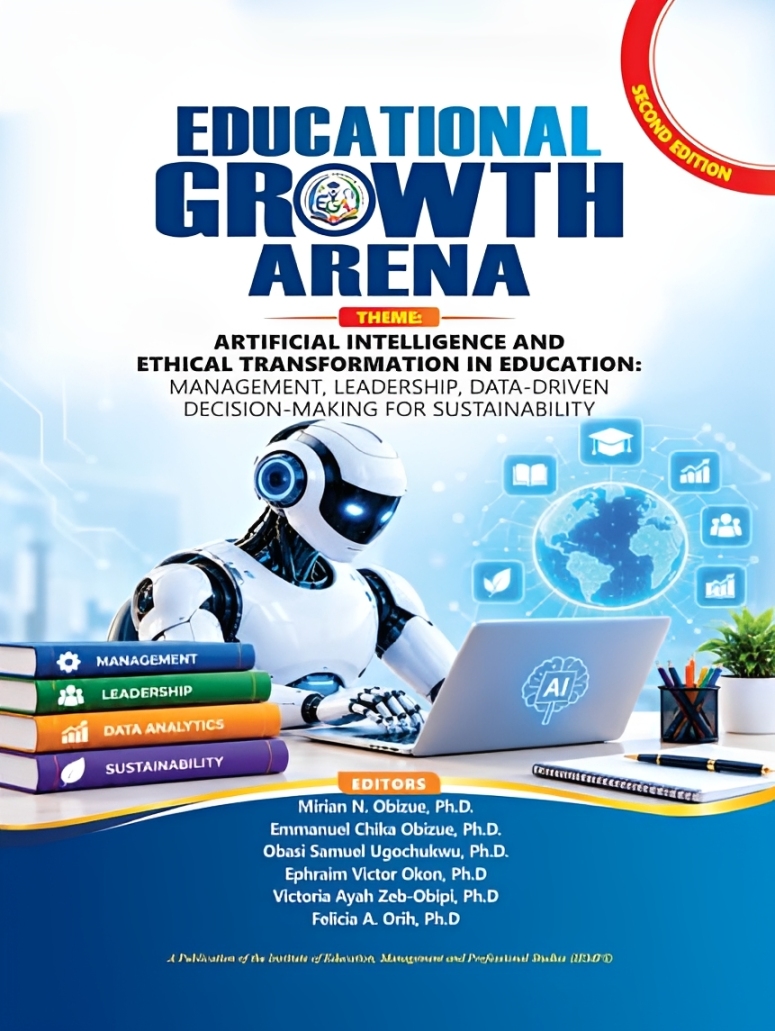
ARTIFICIAL INTELLIGENCE AND ETHICAL TRANSFORMATION IN EDUCATION: MANAGEMENT, LEADERSHIP, DATA-DRIVEN DECISION-MAKING FOR SUSTAINABILITY
When the first edition of Artificial Intelligence and Ethical Transformation in Education: Management, Leadership, Data-Driven Decision-Making for Sustainability was published in 2025, artificial intelligence in education was still, for most institutions, a matter of first encounters: pilot projects, cautious policy statements, and conceptual arguments about what AI might one day do for teaching, learning and institutional management. That edition did important work. It laid the ethical, theoretical and strategic groundwork on which a field could be built, offering educational leaders, researchers and policymakers a first coherent account of how artificial intelligence was beginning to reshape governance, leadership and decision-making in schools and universities.
Sample listing. Add verified publication details and, for Google Scholar eligibility, the public full-text PDF.
Summary
Much has changed in the time since. Artificial intelligence has moved from the margins of institutional life to its operating core. It informs how universities plan, how leaders govern, how data is turned into decisions, how infrastructure is procured, how educators are trained, how curricula are assessed, how students are counselled, and how institutions account for their use of public trust and public resources. This second edition exists because the questions worth asking have changed. It is no longer sufficient to ask whether artificial intelligence should be adopted in education. The more demanding and more consequential question is what happens after adoption: how institutions move from experimentation to maturity, from isolated pilots to embedded practice, from stated ethical principles to enforceable standards, and from proof-of-concept dashboards to decisions that genuinely serve students, staff and the communities that educational institutions exist to serve.